




Are Recycled Bags Durable? Facts, Tests and Real Opinions
Recycled and upcycled bags are becoming increasingly popular, but one key question appears before buying: are recycled bags actually durable, or is it just marketing? In this guide, we answer clearly what materials they are made from, how they perform in real life, and what to look for if you want a bag that lasts for years.
What materials make recycled bags truly durable?
The most durable recycled bags are usually not made from delicate fashion fabrics. Instead, they are created from technical materials that were originally designed for high stress and outdoor conditions.
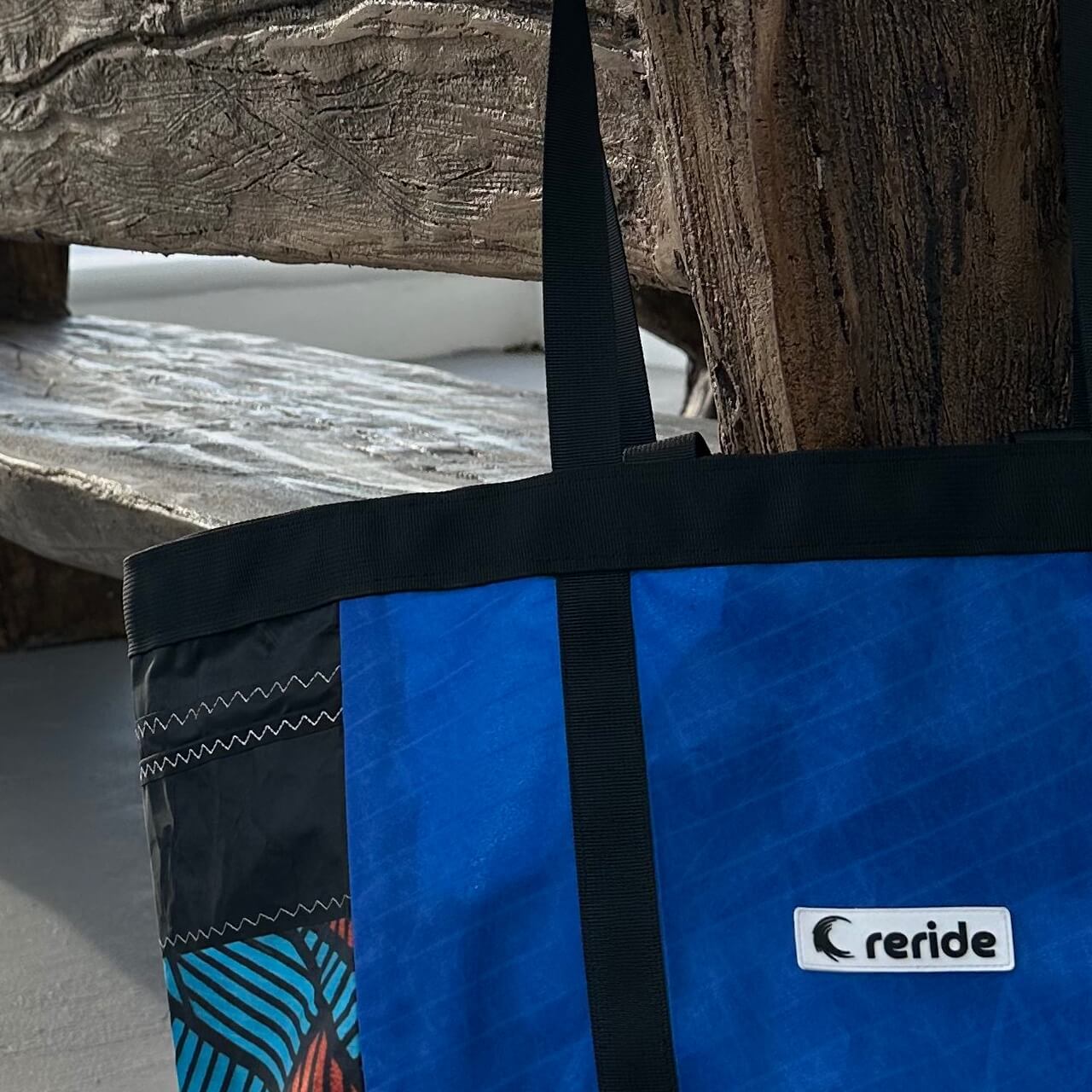
A great example is fabric recovered from kitesurfing kites and other technical ripstop textiles. These materials are built to withstand wind, moisture and constant tension — exactly what an everyday bag needs.
Are recycled bags more durable than classic bags?
In practice, many upcycled bags made from technical materials turn out to be more resistant than classic bags made from thin cotton or purely fashion-focused fabrics. The difference becomes obvious in daily use: rain, friction, placing the bag on the ground, or carrying heavier items.
| Feature | Recycled bags (technical materials) | Classic bags |
|---|---|---|
| Water resistance | High | Variable / often low |
| Abrasion resistance | Very high | Medium |
| Stitching & reinforcements | Often reinforced | Standard |
| Daily heavy use | Ideal | Depends on quality |
The conclusion is simple: if a recycled bag is well designed and sewn from the right materials, its durability can be surprisingly good.
Common myths and concerns
“Recycled means low quality”
This is a myth. Quality depends on the material, construction and stitching. Technical fabrics used in upcycling are designed for demanding conditions, so their performance is often very high.
“Used materials wear out faster”
Upcycling is about reuse, but proper selection and preparation of materials is key. Small signs of previous use may appear, but they do not affect functionality.
“It will look worse over time”
Some people see this as a downside, others as character. The most important thing is that the bag keeps its shape, holds at the seams and protects what’s inside.
How do recycled bags perform in everyday life?
Recycled bags work especially well as everyday city bags: for work, commuting, training, short trips or daily errands. If you are looking for one bag that does it all, this direction makes a lot of sense.
Do recycled bags have any downsides?
Honestly — yes, like any product. Upcycling often means uniqueness, which can result in slight differences in texture or color. For many people, this is actually the biggest advantage: no two bags are exactly the same.
How to choose a truly durable recycled bag
- Technical material (ripstop, outdoor-grade fabrics)
- Reinforced stitching in stress areas
- Functional design with minimal decoration
- Reliable hardware and closures
- Real-life use: city, work, training, weekends
Looking for a bag that lasts?
If you want a bag made from technical materials, designed for everyday use and an active lifestyle, explore the RERIDE Street Bag collection.
FAQ
Are recycled bags waterproof?
Many of them are — especially models made from technical outdoor fabrics with high water resistance.
Are recycled bags suitable for work?
Yes, particularly minimalist city designs made for everyday use.
Are recycled bags heavy?
Usually not. Technical materials are often lightweight while remaining very durable.
Do recycled bags wear out quickly?
Well-made recycled bags from technical materials can be more durable than classic fabric bags. Stitching quality and construction matter most.